Experiences
Restaurant Iris
A Michelin-starred dining room inside Salmon Eye — a shimmering silver orb floating on the Hardangerfjord.
Experiences
A Michelin-starred dining room inside Salmon Eye — a shimmering silver orb floating on the Hardangerfjord.
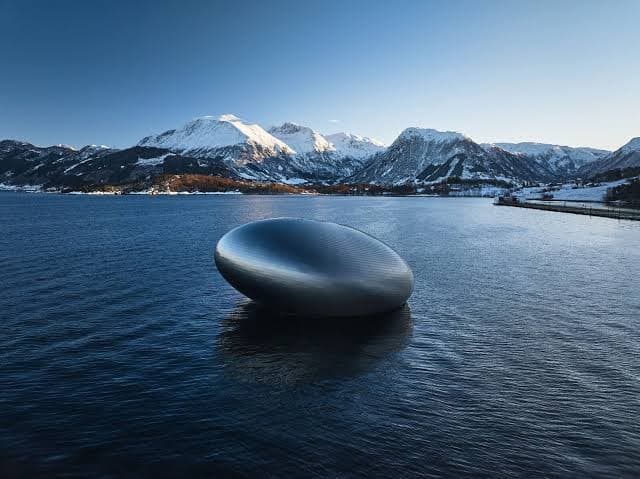
Restaurant Iris sits inside Salmon Eye, the floating art installation on the Hardangerfjord near Rosendal, Norway. Reached by boat, it is the dining room of head chef Anika Madsen — a Michelin-starred “Expedition Dining” experience in a silver orb on the water.
Madsen’s culinary reputation has been on a steady ascent since Iris opened, culminating in her recognition as Michelin’s ‘Young Chef of the Year 2024’. “Honestly, it feels incredibly humbling,” she says. “It really shows that all the hard work we put in daily pays off. Opening a restaurant on a floating art installation where Mother Nature calls the shots has been a wild ride. This award tells me we’re onto something special and unique.”
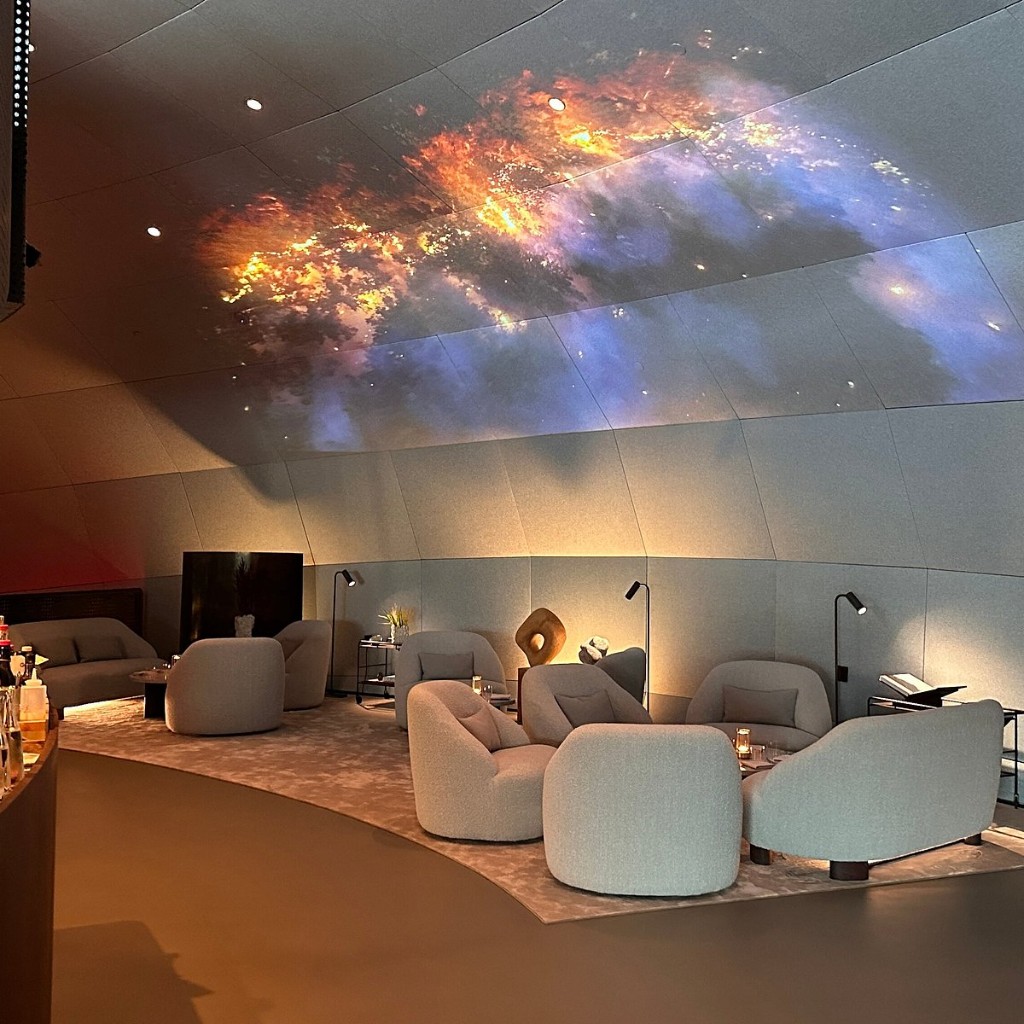
The setting itself is equal parts science fiction and Scandinavian folklore: a shimmering silver orb floating on the fjord, surrounded by forested peaks and endless sky. Inside, the architecture is minimal and elemental – wood, stone, soft lighting – all designed to let nature star. But while the views are unforgettable, it’s what’s on the plate that truly takes your breath away.
At Iris, the menu is driven by both terroir and time. There’s no set seasonal offering – instead, dishes evolve week by week, sometimes day by day. “The weather can change in an instant,” says Madsen. “Not just from season to season, but from hour to hour. It’s all about seizing the moment when it’s right. Like in summer, when wild raspberries, blackcurrant leaves and rosehips are ripe. We forage while we can, knowing that next week might be too late.”
This improvisational spirit gives Iris its heartbeat, but it also reflects a deeper culinary philosophy. Rather than rely on expected fine-dining ingredients, Madsen actively seeks out the overlooked, the undervalued and the unusual. “Right now I’m super excited about using pale salmon in a dish,” she says. “It’s a great way to raise awareness about farming – like how the feed affects its colour. It brings up interesting questions, like: Is salmon really salmon to us if it’s not that classic orange-pink hue? How much do we eat with our eyes?”
“Nature has been in control here for centuries, and there’s a certain patience in the Norwegian culture that I think we could learn from in this fast-paced world.” — Anika Madsen
Source: Luxury Travel Magazine AU.